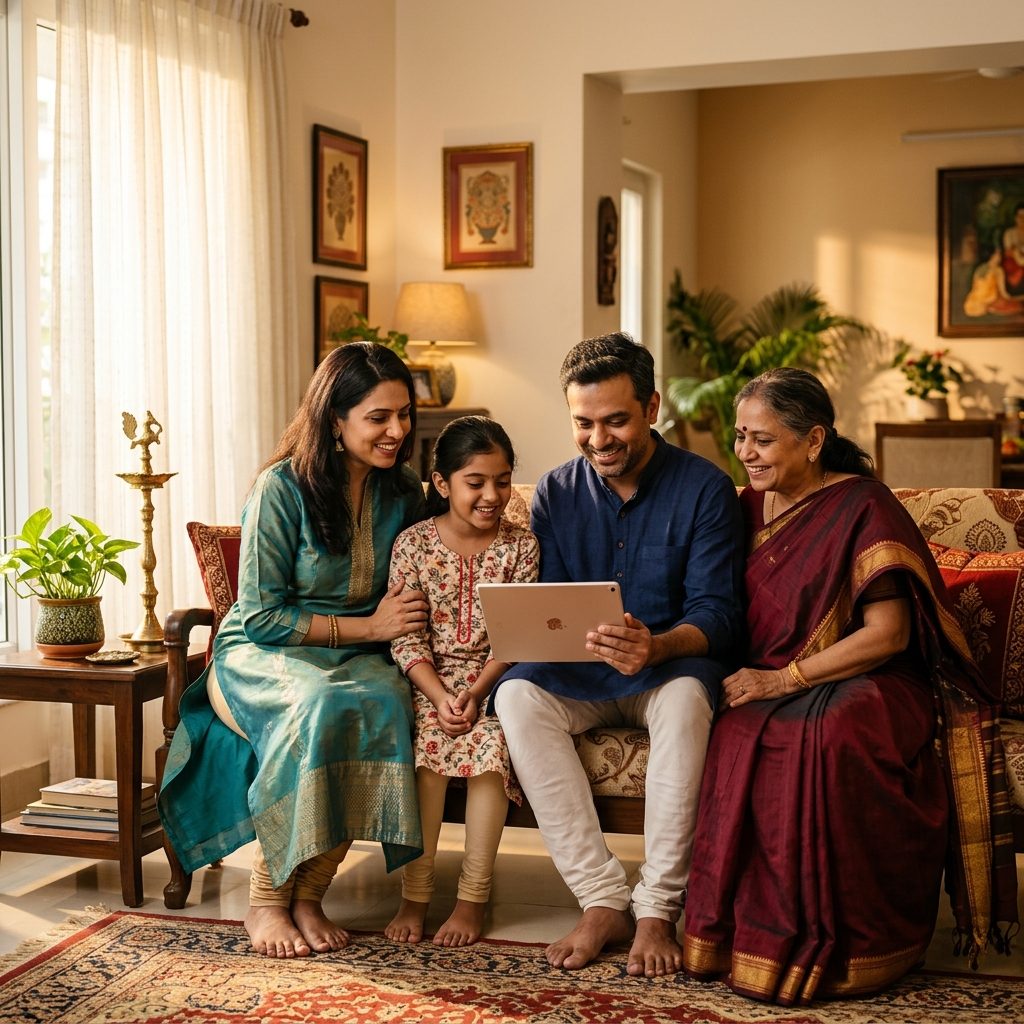
The traditional Indian marriage biodata has undergone a significant transformation. Once a dry, black-and-white resume listing family lineage, gotra, and academic credentials, it has evolved into a dynamic reflection of a person's identity. Today's modern Indian families seek a balance between honoring cultural roots and acknowledging the individual aspirations of the bride or groom. Crafting a biodata that resonates with contemporary expectations while respecting family values is the first crucial step in the matchmaking journey.
Balancing Career Goals and Family Values
For modern Indian youth, career is often a central part of their identity. While it is important to detail your professional achievements and future aspirations, it is equally vital to showcase your family connection. Modern biodatas should clearly state your job role, industry, and location, but also dedicate a warm section to your family background. Mentioning your parents' occupations and your siblings' pursuits helps the reader understand the family ecosystem. This blend of individual success and strong family roots is highly valued in the Indian context, where marriage is a union of two families, not just two individuals.
A modern marriage biodata should not read like a corporate CV; it is a narrative of your lifestyle, values, and the future you envision with a partner.
Honesty in Lifestyle, Interests, and Expectations
Transparency is the cornerstone of a successful match. The interests section should go beyond generic hobbies like reading or traveling. Be specific. If you love weekend trekking in the Western Ghats, enjoy cooking regional cuisines, or are passionate about classical music, state it clearly. Similarly, when describing your partner expectations, focus on core values rather than rigid checklists. Express your views on work-life balance, relocation, and lifestyle preferences. This helps filter out incompatible matches early, saving time and emotional energy for both families.
Formatting and Visual Presentation
The presentation of your biodata speaks volumes about your approach. A cluttered, poorly formatted document can create a negative first impression. Modern families appreciate clean layouts, readable fonts, and a touch of aesthetic elegance. When creating your biodata, keep these essential formatting guidelines in mind:
- Keep it concise: Restrict the document to one or two pages. Good spacing is key.
- Use professional photographs: Include a couple of high-quality, recent photos—one close-up and one full-length, wearing elegant ethnic or smart-casual attire. Avoid selfies or cropped group photos.
- Structure clearly: Divide the information into distinct sections: Personal Details, Education and Career, Family Background, Partner Expectations, and Contact Information.
- Be precise with details: Include birth details (date, time, place) if you plan to share them for horoscope matching, as this is still a standard practice for many families.
Crafting Your Story with Shubh Muhrat
Creating this perfect balance can feel overwhelming, but you do not have to do it alone. A well-designed layout ensures your information is readable and elegant. To simplify this process and create a beautiful, modern profile that honors your traditions while highlighting your personality, visit the Shubh Muhrat Biodata Maker. It offers culturally nuanced templates designed specifically for modern Indian families, helping you make that perfect first impression.