
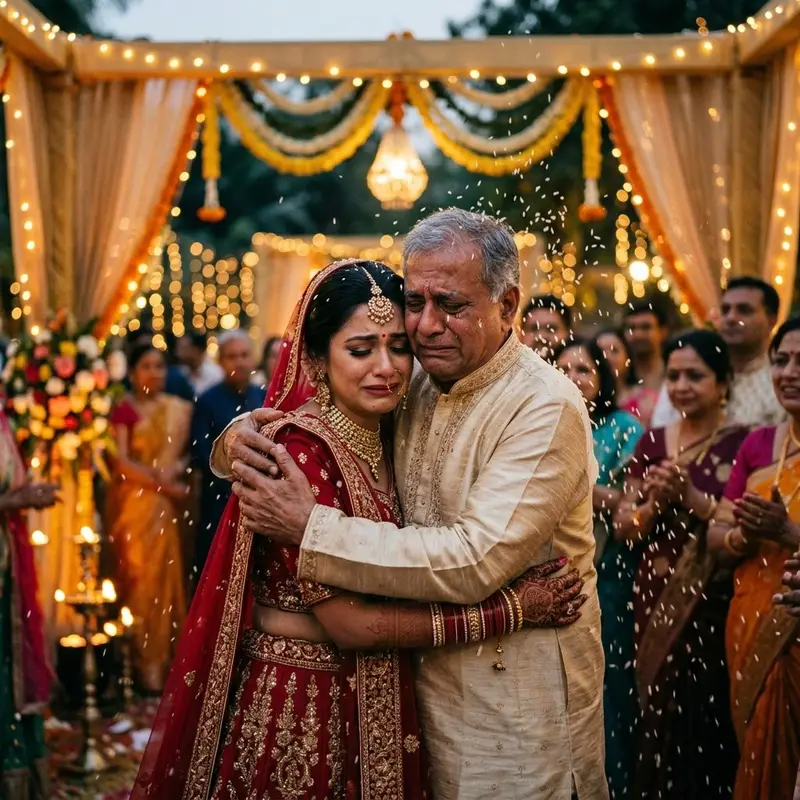
The Cultural Significance of Vidaai
The Vidaai, also known as Bidaai or Doli across various regions of India, marks one of the most poignant and emotionally charged moments of an Indian wedding. Occurring immediately after the main wedding ceremony and Kanyadaan, this ritual symbolizes the bride's formal transition from her maternal home to her husband's household. While it is a moment of profound sadness as parents bid farewell to their daughter, it is simultaneously a celebration of her new journey and the union of two families.
Deeply rooted in Vedic philosophy and regional customs, Vidaai acknowledges the sacrifices made by parents while celebrating the daughter's lifelong contributions to her home. It represents the delicate balance between honoring one's roots and embracing a shared future with love, grace, and devotion.
Key Rituals That Define the Farewell
While regional customs vary from Punjab to Bengal, Gujarat to Tamil Nadu, several essential rituals are observed during the Vidaai farewell:
- Throwing of Rice (Chawal Phekn): Before stepping across the venue threshold, the bride takes five handfuls of puffed rice or wheat and throws them back over her head into her mother's lap or an unfolded dupatta held by her family. This act signifies paying back the abundance and love she received growing up, while praying for everlasting prosperity for her parents' home.
- Seeking Blessings from Elders: The bride and groom touch the feet of parents, grandparents, and maternal uncles to seek their heartfelt Aashirvaad. This step reinforces that even as physical distance changes, spiritual and familial bonds remain unbroken.
- Crossing the Threshold: The bride walks forward without turning back to look at her home, demonstrating strength and commitment to her new life. Her brothers and male cousins traditionally push or guide the decorated wedding car or palanquin forward, symbolizing their unwavering support in her journey.
- Emotional Farewell Melodies: Accompanied by traditional Shehnai tunes or regional folk songs, family members embrace the bride, releasing tears of affection and gratitude.
Vidaai is not merely a departure; it is an outpouring of gratitude, honoring the cherished past while stepping courageously into a shared future.
Navigating Emotions and Managing Event Logistics
Because Vidaai is so emotionally intense, it often becomes chaotic if not planned carefully. Managing timing, vehicle arrangements, guest departures, and luggage transfer ahead of time allows family members to focus entirely on being present for the bride and her parents during these tender moments.
Assigning a trusted relative or using dedicated digital management tools can prevent last-minute stress. While coordinating travel schedules, accommodations, and venue exits, tools like the Shubh Muhrat Guest Manager help ensure your guests and transport logistics are smoothly coordinated, giving your family the peace of mind to experience every heartfelt emotion without distraction.