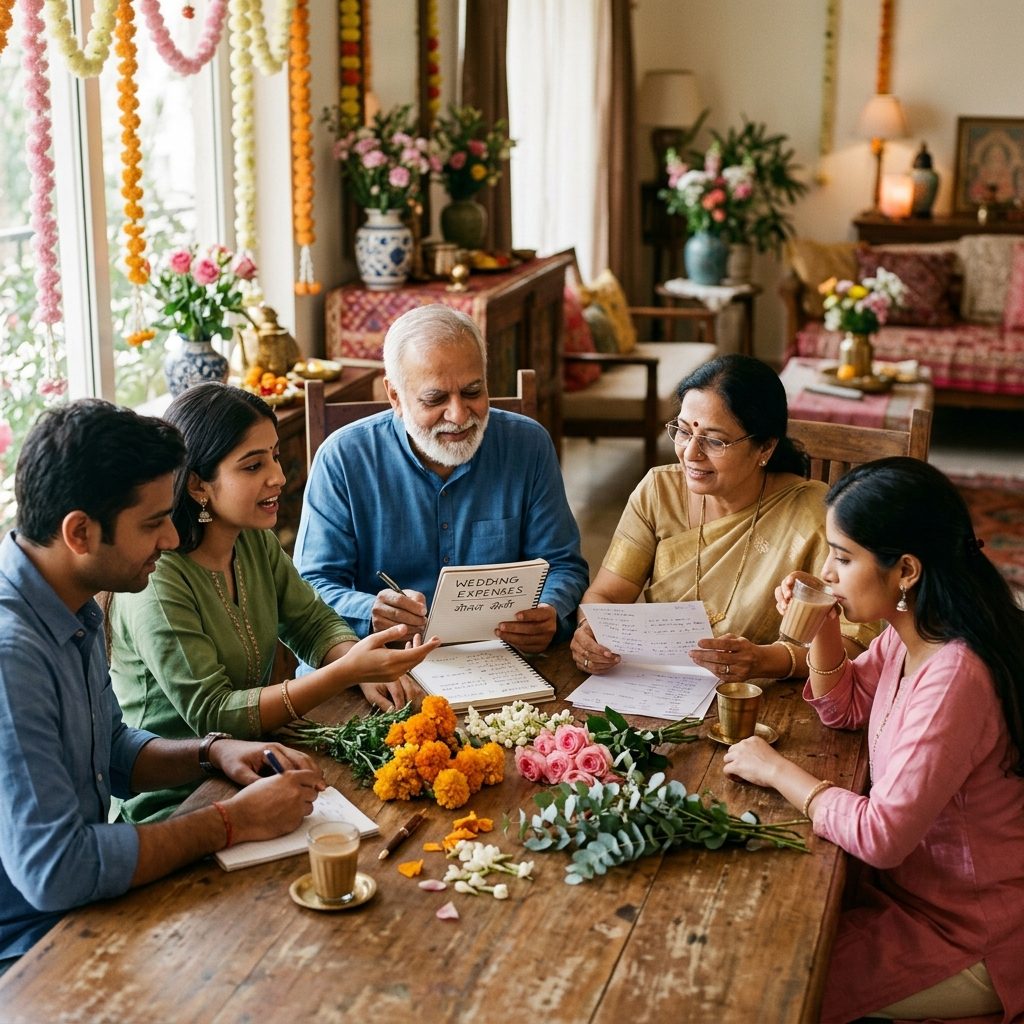
Planning an Indian wedding is an emotional milestone for parents who have spent years saving for this grand celebration. From booking auspicious muhurat dates to finalizing grand banquet halls, every step involves significant financial decisions. Yet, even the most meticulous spreadsheets often fail to account for the unpredictable nature of traditional celebrations.
The Reality of Hidden Indian Wedding Expenses
When drafting an initial wedding budget, families typically account for major line items like venue rentals, catering per plate rates, and traditional bridal trousseaus. However, the true financial strain usually arises from secondary expenses that accumulate quietly during the final weeks before the wedding. Costs such as mandatory valet parking fees, generator backups for outdoor sangeet lawns, vendor meal plates, and tipping customs for temple priests or ritual specialists can easily inflate your overall expenditure by fifteen to twenty percent.
Furthermore, regional traditions often demand unbudgeted gifts or shagun envelopes for extended relatives and community elders during specific pre-wedding ceremonies like the Roka, Haldi, or Mangal Snan. Without a dedicated financial cushion, these recurring minor costs force families into uncomfortable compromises during the final stretch.
Calculating the True Cost of Guest List Creep
One of the largest budget disruptors for Indian parents is unmanaged guest list expansion. What begins as an intimate gathering of close family members frequently grows as social obligations prompt parents to invite distant acquaintances, neighborhood elders, and professional colleagues. Because Indian wedding catering and seating are calculated strictly on a per-head basis, adding even twenty unexpected guests can alter your food and beverage bill by a substantial margin.
Common areas where guest-related budgets quietly spiral include:
- Last-minute hotel room block additions for out-of-town relatives arriving without prior confirmation
- Extra transportation vans or buses booked hastily for transit between the hotel and marriage venue
- Surprise dietary preferences requiring separate catering counters during the wedding reception dinner
Managing RSVPs manually through phone calls and text messages often leads to inaccurate headcount estimates. Utilizing structured digital tools helps keep attendee counts transparent and predictable from the engagement stage onward.
Financial peace of mind during a wedding comes not from spending less, but from anticipating the unexpected variables before they disrupt your peace.
Establishing and Protecting Your Contingency Buffer
To safeguard your hard-earned savings, financial advisors recommend that parents earmark an absolute minimum of twenty percent of the total wedding budget purely as an unallocated contingency fund. This money should remain untouched during early vendor bookings and high-street shopping trips. It acts as your financial safety net for last-minute logistical adjustments, seasonal price spikes in fresh floral decorators, or emergency tailoring alterations.
To keep your catering and seating expenses firmly under control and prevent last-minute headcount surges, consider organizing your guest lists early using the Shubh Muhrat Guest Manager. Streamlining RSVPs and digital seating arrangements ensures your final vendor orders match your actual attendance numbers precisely.