Planning a traditional Indian wedding is a beautiful, grand endeavor, but managing events spread over three to four days requires meticulous scheduling. From the intimate family pujas to the high-octane Sangeet and the sacred Pheras, each ceremony carries its own cultural weight and logistical challenges. Creating a structured timeline ensures that both you and your guests can fully immerse yourselves in the joy of the celebration without feeling exhausted.
Day 1: Setting the Sacred Foundation
The first day is typically reserved for intimate, home-based rituals that set a spiritual tone for the wedding. For most Hindu weddings, this begins with a Ganesh Puja or Gauri Puja, followed by the Mehendi ceremony. In North Indian traditions, the day might start with a quiet Haldi, while South Indian weddings often begin with the Vratham or Naandi. The key to day one is keeping it relaxed. Ensure the bride’s Mehendi starts early in the morning, as intricate bridal henna can take four to six hours. Schedule the guest Mehendi for the afternoon to keep the atmosphere lively and interactive.
Day 2: Balancing Tradition and Celebration
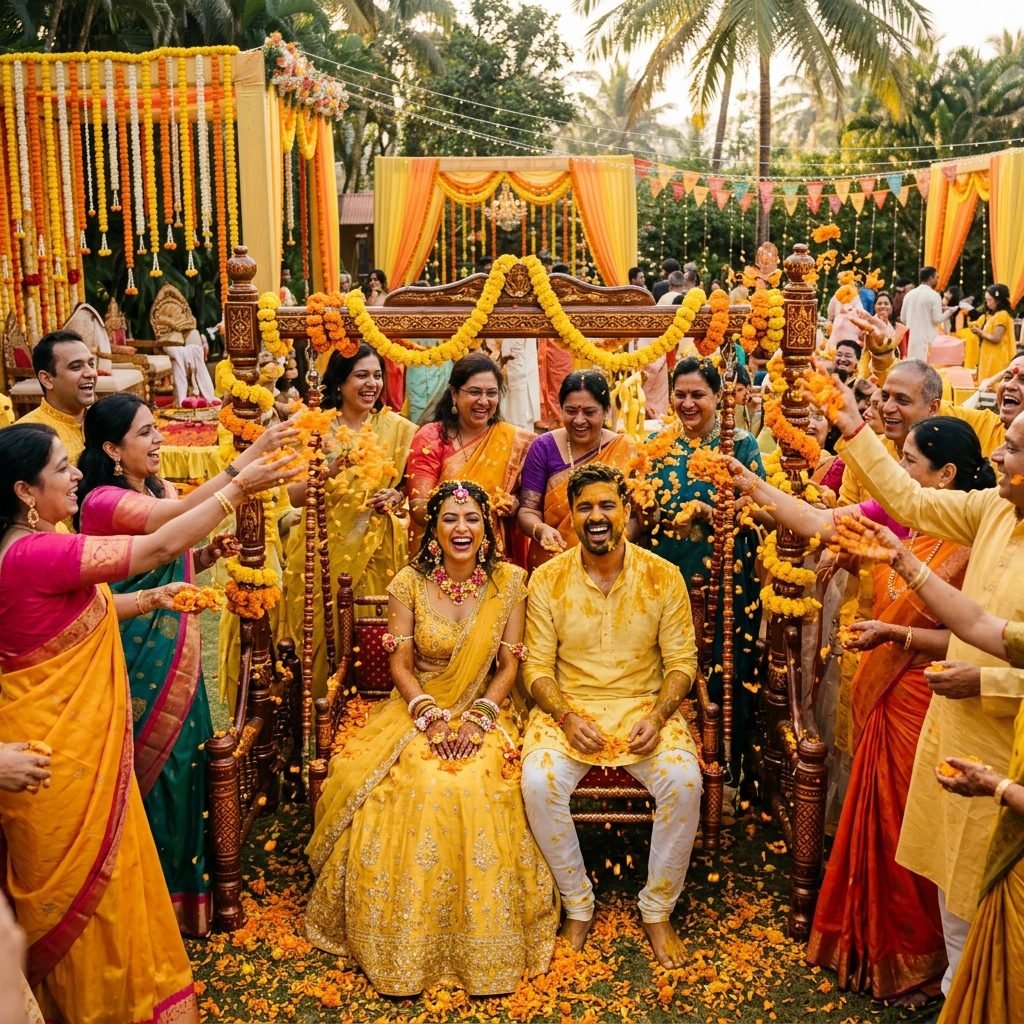
Day two often demands the highest energy, blending pre-wedding rituals with grand evening celebrations. If you are doing a combined Haldi and Chura ceremony, schedule it for the morning. The bright yellow hues of Haldi make for stunning daylight photographs. Allow a generous four-hour gap between the afternoon rituals and the evening Sangeet. This buffer is crucial for the couple, immediate family, and guests to rest, change outfits, and complete elaborate hair and makeup sessions without rushing.
"Always add a 45-minute buffer to every major transition in an Indian wedding timeline. Between the Baraat arrival, the Muhurat, and the makeup touch-ups, delays are inevitable, and a built-in cushion keeps panic at bay."
Day 3: The Grand Finale and Muhurat Precision
The wedding day is the most time-sensitive phase of the entire celebration. The timing of the Pheras or the exchange of garlands (Varmala) is often bound by a specific, auspicious Shubh Muhurat. If you have a morning wedding, start the bride's makeup at least four hours before the Baraat arrives. The Baraat itself almost always runs 30 to 45 minutes behind schedule due to dancing and celebrations, so factor this into your arrivals. Post-wedding rituals like the Vidai or Kanyadaan can be emotionally draining; ensure there is a quiet room reserved for the couple to rest before transitioning into the evening Reception.
Essential Tips for Timeline Management
- Assign a Timeline Coordinator: Designate a trusted cousin or a professional planner to manage vendors and track the clock, leaving you free to enjoy the festivities.
- Build a Makeup Schedule: Coordinate with your makeup artist to create a strict slot-by-slot schedule for the bride, mother of the bride, and bridesmaids.
- Communicate Transportation Details: If events are at different venues, provide clear shuttle timetables to prevent guests from arriving late to the Muhurat.
- Plan Vendor Meals: Happy, well-fed photographers and coordinators work more efficiently. Schedule their meal breaks during guest transitions.
Managing the flow of guests across multiple venues and days can quickly become overwhelming. To keep track of your guest list, RSVPs, and room assignments seamlessly, use the Shubh Muhrat Guest Manager tool to streamline your wedding coordination from start to finish.