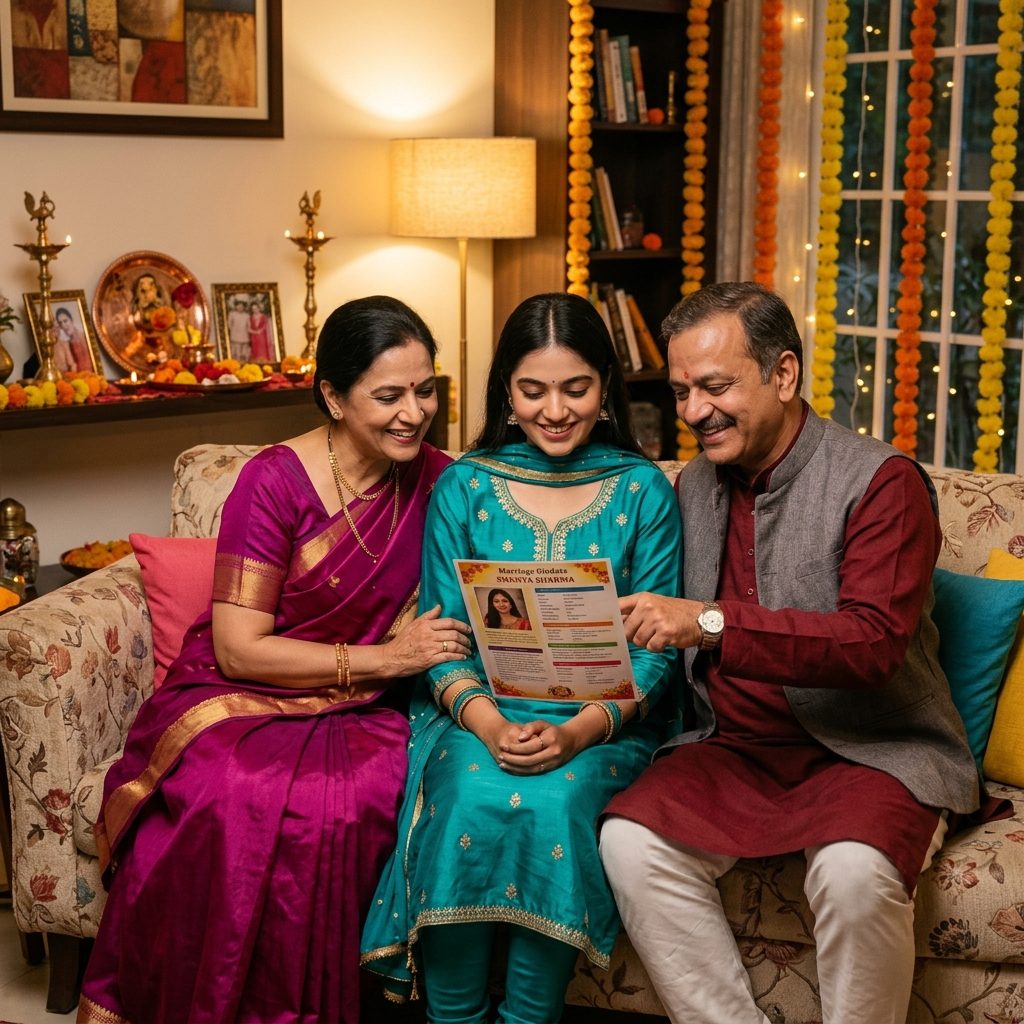
In the evolving landscape of Indian matrimony, the marriage biodata remains a cornerstone of the matchmaking process. For generations, it has served as the first point of contact between two families, bridging ancestral values with the aspirations of the younger generation. Today, as modern Indian families navigate the delicate balance between personal compatibility and deep-seated cultural rituals, the way we present ourselves on paper must also evolve. A well-crafted biodata should respect traditional requirements like gotra, family roots, and horoscope details, while highlighting the individual's personality, career, and lifestyle.
Articulating Family Roots and Ritual Traditions
Every Indian family carries distinct cultural rituals and heritage, whether it is the vibrant pre-wedding customs of a Punjabi family, the sacred Vedic rites of a South Indian wedding, or the specific family deity worship of Rajasthani households. In India, weddings are not just the union of two individuals but the coming together of two families and their unique ancestral lineages. Acknowledging your family's daily practices, vegetarian preferences, or key spiritual beliefs helps set realistic expectations early in the matchmaking process. When writing your biodata, it is essential to present these details with clarity and respect.
- Specify Ancestral Roots: Mentioning your family's native place helps identify shared regional customs, sub-castes, and dialects.
- Clarify Ritual Preferences: Gently state if your family prefers traditional Vedic ceremonies or is open to contemporary, minimalist celebrations.
- Highlight Important Festivals: Mentioning family celebrations like Durga Puja, Ganesh Utsav, or Pongal paints a warm picture of your family life.
Presenting Kundli and Gotra Details Gracefully
For many families, matching horoscopes is a foundational ritual before taking any steps forward. Instead of leaving this as an afterthought, include a dedicated section for astrological details. Stating your date of birth, time of birth, place of birth, gotra, and Manglik status clearly saves time and establishes transparency from the start. If you are open to matching horoscopes but do not mandate it, a simple note stating that horoscope matching is optional can guide prospective families appropriately, ensuring you do not miss out on otherwise compatible matches.
"A marriage biodata is not just a list of professional achievements; it is the first invitation to a shared lifetime of festivals, family rituals, and mutual respect."
Balancing Personal Identity with Family Values
A common mistake modern families make is focusing entirely on the candidate's career details while neglecting family background, or vice versa. A balanced biodata allocates equal space to both aspects. Describe the candidate's education, profession, hobbies, and personal outlook on life. In the family section, introduce the parents' occupations and sibling details, emphasizing the values that bind the family together. This holistic approach ensures that the receiving family understands not just the individual, but the entire ecosystem they will be entering, paving the way for harmonious post-wedding rituals.
Creating Your Modern Biodata Effortlessly
Designing a document that looks both professional and culturally respectful can be challenging. To assist families in this journey, the Shubh Muhrat Biodata Maker provides an intuitive platform to create elegant, personalized biodatas. With templates designed specifically for Indian weddings, it allows you to present career achievements alongside traditional details like gotra and rituals in a beautifully organized format. By using the right tools, you can ensure your first impression is both polished and deeply rooted in tradition.